
Art Therapy
Art therapy is a mental health profession that enriches the lives of individuals, families, and communities through active art-making, the creative process, applied psychological theory, and human experience within a psychotherapeutic relationship. Clients are encouraged to use a variety of art materials to help process emotions in a nonverbal way when words may be too difficult to access.
What Is Art Therapy?
Art therapy can be used to improve cognitive and sensorimotor functions, foster self-esteem and self-awareness, cultivate emotional resilience, promote insight, enhance social skills, and reduce or resolve conflicts and distress.
Who Are Art Therapists?
Art therapists are credentialed mental health professionals. They are trained in a broad range of psychological theories and in using art materials and creative processes to help children, teens, adults, and families cope with mental health challenges.
Art therapists hold master’s-level or higher degrees. Look for a therapist with the credentials ATR, which stands for Registered Art Therapist, or ATR-BC, which stands for Board-Certified Registered Art Therapist.
Do Clients Have to Be Good at Art?
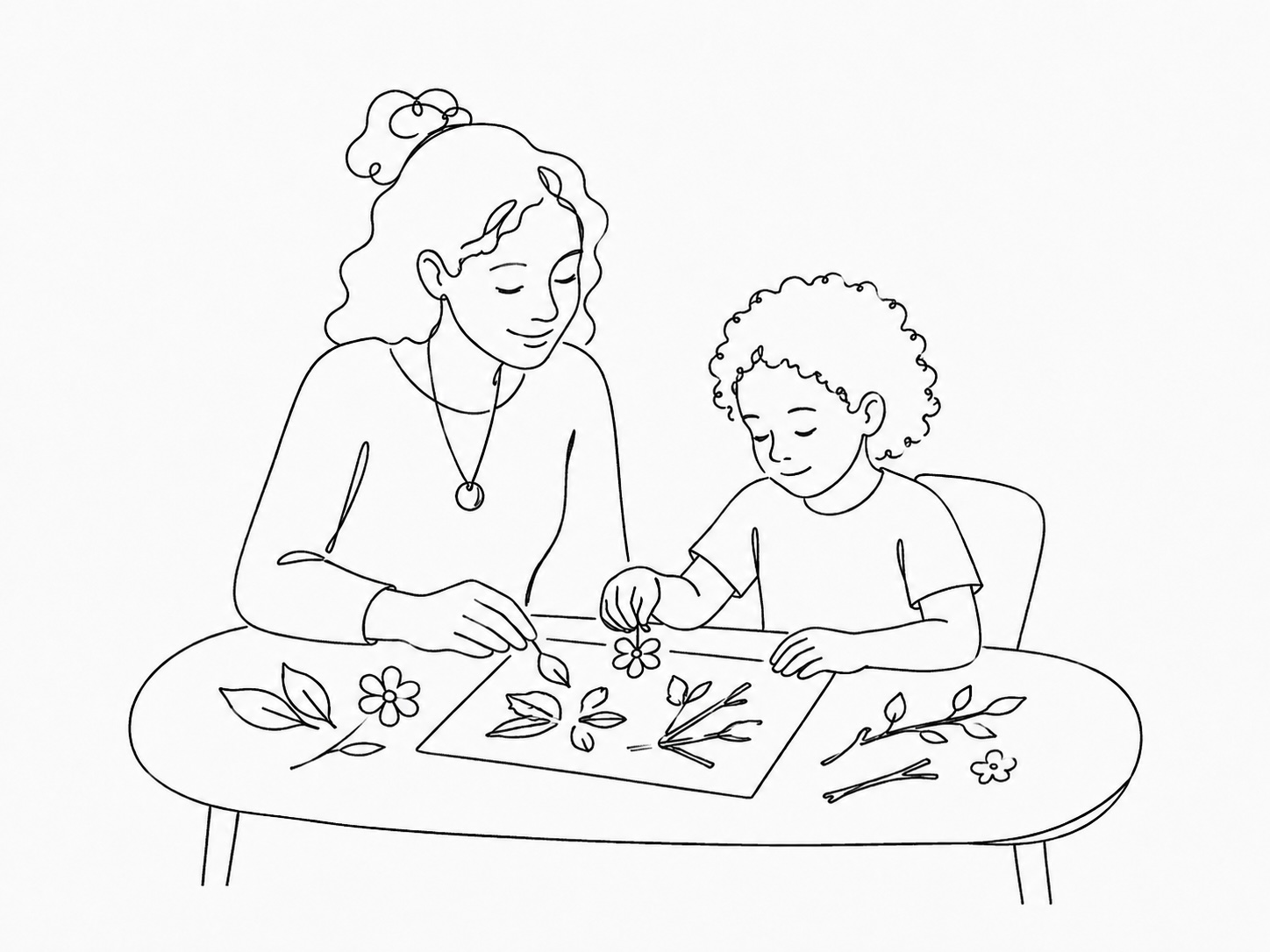
Clients do not have to be artists or even consider themselves “artsy” to participate in art therapy. Everyone is creative.
In art therapy sessions, the art therapist may encourage the client to try different art materials, such as colored pencils, paints, clay, and collage. Sometimes nontraditional art materials may be intentionally introduced to expand creative expression.
Clients may also explore different styles of expression through doodling, abstract designs, and contour drawing. Art therapists are trained to facilitate types of art-making that support each client’s specific needs.
Let's get started!
Discover how we can help you or your family overcome challenges and thrive.
